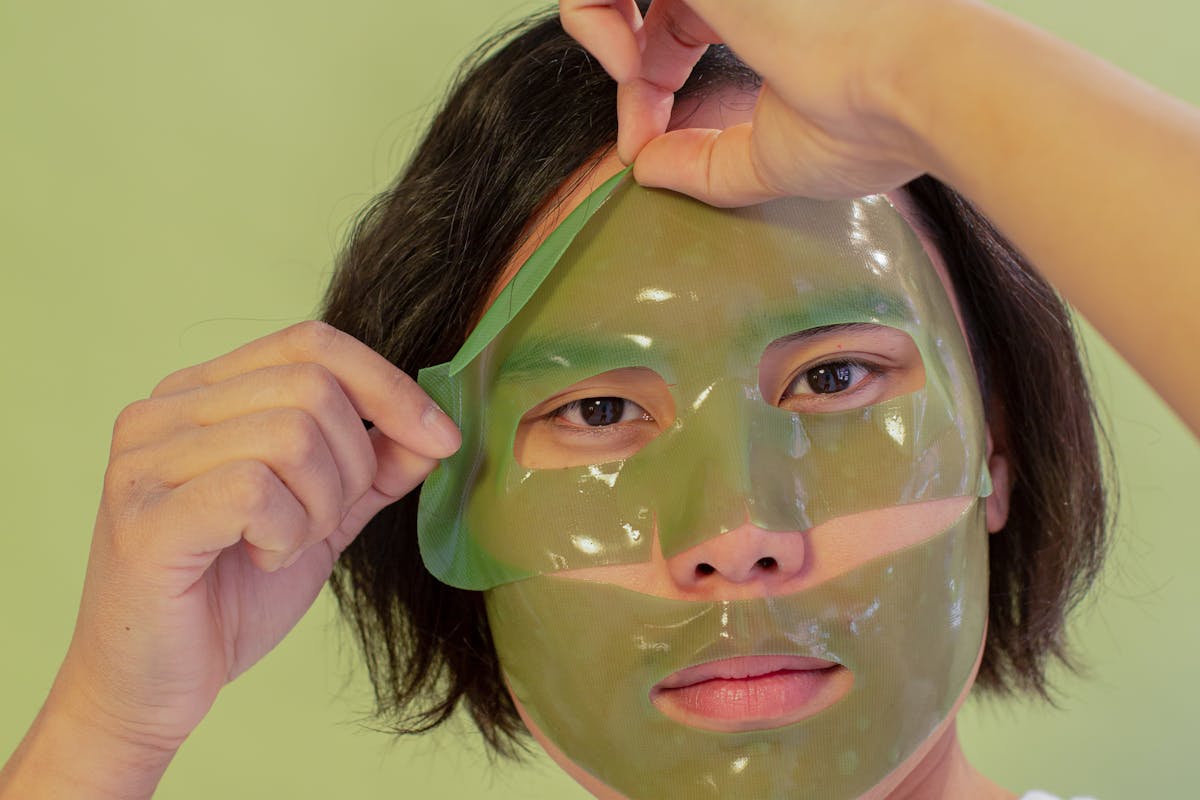
"Chemical peel" is a term that spans an enormous range, from a gentle 20-minute treatment with zero downtime to a deeper procedure requiring a week of recovery. The word "chemical" puts some people off, but peels are one of the most evidence-backed, well-studied treatments in dermatology. The key is matching the right peel to the right concern and the right skin type.
Here's how to understand the difference, and what to realistically expect.
What a Chemical Peel Actually Does
A chemical peel applies an acid solution to the skin at a controlled concentration and pH. The acid accelerates the skin's natural exfoliation process, dissolving the bonds between dead and damaged skin cells and triggering the skin to generate new cells in their place.
Depending on the depth of penetration:
Superficial peels treat the outermost layer (epidermis)
Medium peels reach the upper dermis
Deep peels penetrate to the mid-dermis
Deeper isn't always better, it depends entirely on what you're treating and what downtime is acceptable.
The Main Peel Types and What They Treat
Glycolic Acid Peel (AHA)
Depth: Superficial
Best for: Dull skin, mild uneven tone, early fine lines, dehydrated skin
What to expect: Mild tingling, no real downtime, skin looks brighter immediately
Sessions: 4–6, spaced 2–4 weeks apart
Indian skin note: Safe and effective; use lower concentrations initially to test tolerance
Salicylic Acid Peel (BHA)
Depth: Superficial
Best for: Acne-prone skin, blackheads, oily skin, PIH (post-acne marks)
What to expect: Mild stinging, some frosting. Skin may appear drier for a few days
Why it's good for acne: Salicylic acid is oil-soluble, meaning it penetrates into pores and breaks up the lipid-rich debris causing congestion
Sessions: 4–6, spaced 2–4 weeks apart
Mandelic Acid Peel
Depth: Superficial
Best for: Sensitive skin, melasma, PIH, the gentlest AHA
Why it's great for Indian skin: Large molecular size means slower penetration, much lower risk of irritation and rebound PIH. A first-choice peel for darker skin tones
Sessions: 4–6, spaced 2–3 weeks apart
Lactic Acid Peel
Depth: Superficial to light-medium
Best for: Dry, sensitive, or mature skin. Good for brightening and hydration
Bonus: Also a humectant, draws moisture to the skin
TCA Peel (Trichloroacetic Acid)
Depth: Medium (at 15–25%) to deep (35%+)
Best for: Deeper pigmentation, moderate acne scarring, significant skin laxity, fine lines
What to expect: 5–7 days of visible peeling and downtime. Skin will be red and flaking
Important: Must be performed by a qualified dermatologist, wrong concentration or application on Indian skin can cause hyperpigmentation or scarring
Sessions: Often 1–3 sessions, spaced 4–6 weeks apart
Combination Peels (e.g., Jessner's, Yellow Peel, Cosmelan)
Depth: Superficial to medium
Best for: Stubborn melasma, mixed pigmentation concerns
These combine multiple acids (and sometimes depigmenting agents) for synergistic effect. Cosmelan in particular is widely used for melasma with strong clinical data.
What Peels Won't Do
Chemical peels are excellent at improving surface texture, tone, and mild to moderate scarring. They will not:
Remove deep or ice-pick acne scars (these need microneedling, subcision, or lasers)
Permanently remove melasma (peels help, but melasma requires an ongoing management protocol)
Tighten significantly loose skin (this requires HIFU, RF, or threads)
How to Prepare Your Skin (Pre-Peel Protocol)
For medium peels in particular, dermatologists often recommend 2–4 weeks of skin "priming" beforehand:
Retinoids: Speed up cell turnover and even out the stratum corneum, allowing more uniform peel penetration
Hydroquinone or kojic acid (for pigmented skin): Suppresses melanocyte activity to reduce the risk of post-peel PIH
SPF 50+ religiously: Sensitised skin must be protected before and after
After a Peel: What to Expect
Superficial peels: Mild redness for 24–48 hours, some flaking at days 3–5. Normal activity immediately.
Medium peels: Significant peeling and redness for 5–7 days. Avoid sun exposure completely during this period.
Do not pick or peel the skin manually, this is how scarring happens.
Moisturise generously and apply SPF 50+ every morning.
The Right Peel for Indian Skin
The most common mistake in chemical peel treatment for Indian skin is going too aggressive too fast. We start conservatively, assess tolerance, and build up concentration progressively. This approach takes a few more sessions but produces the same result without the risk of post-treatment pigmentation darkening.
At Youthville Clinic, peels are selected based on a full skin assessment, type, concern, sensitivity, and prior treatment history, not a one-size-fits-all protocol.
Your wellness journey begins in one click
Book your appointment today and experience expert care designed around you to be better

Your wellness journey begins in one click
Book your appointment today and experience expert care designed around you to be better
Your wellness journey begins in one click
Book your appointment today and experience expert care designed around you to be better
Disclaimer: The information on this website is for general informational and educational purposes only. It is not intended as, and should not be construed as, medical advice or a substitute for consultation with a qualified dermatologist. Individual results vary based on skin type, skin sensitivity, health conditions, age, lifestyle factors, and adherence to pre- and post-treatment care instructions. All treatments are performed by qualified, registered medical practitioners. For personalised medical advice, please book a consultation. Treatment charges mentioned are indicative and may vary; final pricing will be confirmed during your consultation.
Powered By TechInverted