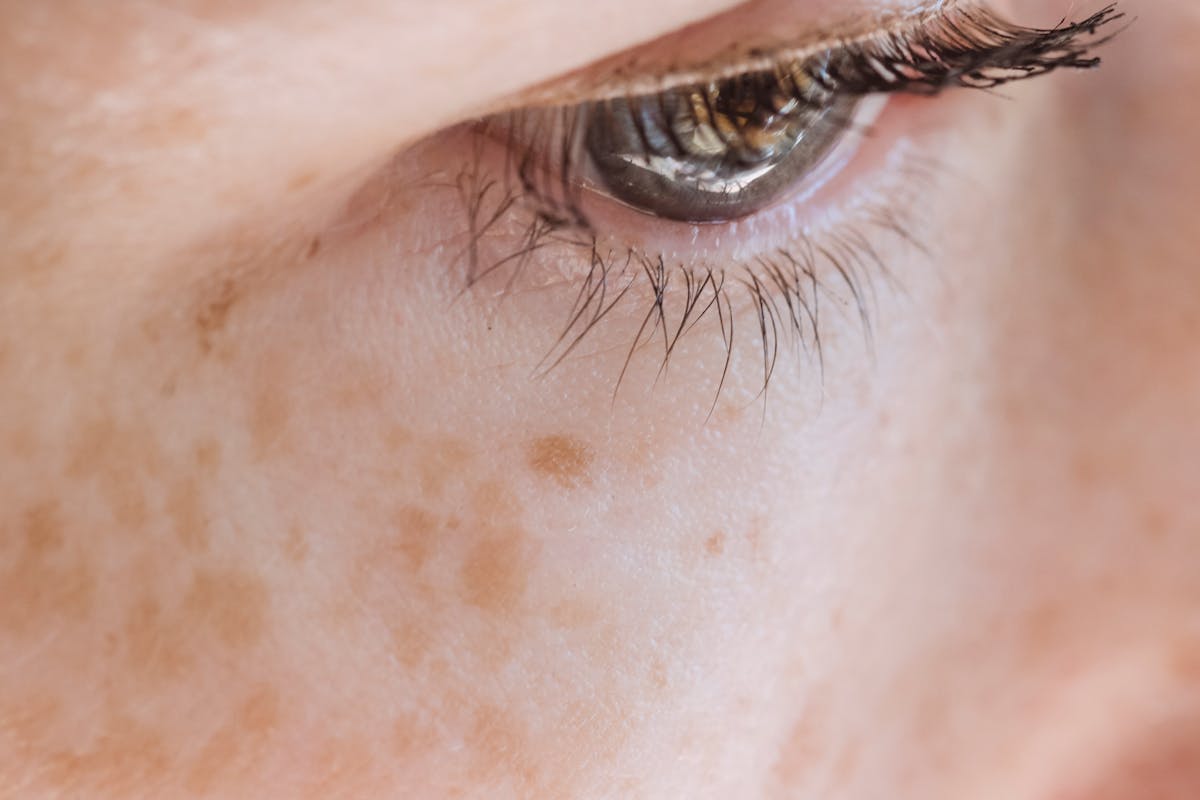
Dark patches on the face are one of the most common skin concerns among Indian women, and one of the most misunderstood. Most people assume any discolouration is "pigmentation" and reach for a brightening cream. But melasma and hyperpigmentation are different conditions with different triggers, different depths, and very different treatment approaches. Getting this wrong can mean months of ineffective treatment, or making the problem worse.
What Is Hyperpigmentation?
Hyperpigmentation is the broad term for any darkening of the skin caused by excess melanin production. It includes:
Post-inflammatory hyperpigmentation (PIH): Dark marks left after acne, cuts, or any skin inflammation
Sun spots / solar lentigines: Flat dark spots caused by cumulative sun exposure
Uneven skin tone: Generalised patchiness or tanning from UV damage
Neck and body darkening: Common in people with insulin resistance or friction
PIH is particularly common in Indian skin. Because Indian skin tones (Fitzpatrick III–V) have more active melanocytes, even minor inflammation, a pimple, a scratch, a wax burn, can trigger significant darkening.
What Is Melasma?
Melasma is a specific type of hyperpigmentation with a hormonal component. It appears as symmetrical, brown to grey-brown patches, most commonly across the cheeks, upper lip, forehead, and bridge of the nose. It's often called the "mask of pregnancy" because it frequently appears during pregnancy, but it also affects women on oral contraceptives or hormonal therapy, and can appear in men too.
What makes melasma distinctly different is that it's driven from inside, by hormones and UV exposure working together. This is why it's notoriously difficult to treat with topicals alone, and why it tends to recur even after successful treatment if sun protection isn't maintained.
Why Indian Skin Needs a Different Approach
Indian skin presents a unique challenge with pigmentation: the same treatments that work well on lighter skin can cause a paradoxical darkening (post-treatment PIH) in Indian skin tones if not carefully managed. Aggressive lasers set at incorrect parameters, strong peels applied without proper preparation, or inappropriate whitening agents can trigger more pigmentation.
Effective pigmentation treatment for Indian skin must be:
Diagnosis-first, identifying whether it's melasma, PIH, sun damage, or a combination
Multi-modal, combining laser toning, chemical peels, topical therapy, and sun protection in a layered plan
Conservative with energy, using lasers specifically calibrated for darker skin tones
Long-term, maintaining results with a proper at-home sun protection routine
Treatments That Actually Work
For PIH (post-acne marks, dark spots):
Chemical peels (glycolic, lactic, or mandelic acid) at the right concentration
Laser toning, Q-switch Nd:YAG laser, a gold standard for Indian skin
Topical azelaic acid, niacinamide, arbutin, gentler alternatives to hydroquinone
Microdermabrasion for superficial pigmentation
For Melasma:
Combination topical therapy (tranexamic acid, kojic acid, low-concentration hydroquinone under supervision)
Gentle chemical peels, never aggressive at first
Laser toning in cycles, never one intense session
Mandatory daily broad-spectrum SPF 50+, this is non-negotiable
Managing the hormonal trigger where possible
What doesn't work:
Vitamin C serums and brightening creams alone, they can help maintain results but rarely treat melasma
Scrubbing, worsens PIH
Skipping sunscreen, the single biggest reason pigmentation returns
The Realistic Expectation
Pigmentation treatment takes time. Most patients see meaningful improvement in 3–6 sessions, but complete resolution, especially of melasma, may take longer and requires ongoing maintenance. We always tell patients: we can dramatically reduce the pigmentation, but sun protection is the only thing that keeps it from coming back.
If you've been using brightening products for months without seeing a real difference, it's worth getting a proper diagnosis. At Youthville Clinic, we use dermoscopy to assess pigment depth and design a treatment protocol that's safe and effective specifically for Indian skin.
Your wellness journey begins in one click
Book your appointment today and experience expert care designed around you to be better

Your wellness journey begins in one click
Book your appointment today and experience expert care designed around you to be better
Your wellness journey begins in one click
Book your appointment today and experience expert care designed around you to be better
Disclaimer: The information on this website is for general informational and educational purposes only. It is not intended as, and should not be construed as, medical advice or a substitute for consultation with a qualified dermatologist. Individual results vary based on skin type, skin sensitivity, health conditions, age, lifestyle factors, and adherence to pre- and post-treatment care instructions. All treatments are performed by qualified, registered medical practitioners. For personalised medical advice, please book a consultation. Treatment charges mentioned are indicative and may vary; final pricing will be confirmed during your consultation.
Powered By TechInverted